
Somewhere around late October, the commute starts and ends in the dark, and lunch happens under fluorescent light instead of sun. Many people notice the shift as heavier mornings, earlier slumps and a general feeling of running low. Daylight is one of the few free inputs that shapes sleep, alertness and mood, and it is also one of the easiest to lose without noticing. A few small habits protect it, and they matter more than any bottle on the pharmacy shelf.
What Daylight Actually Does
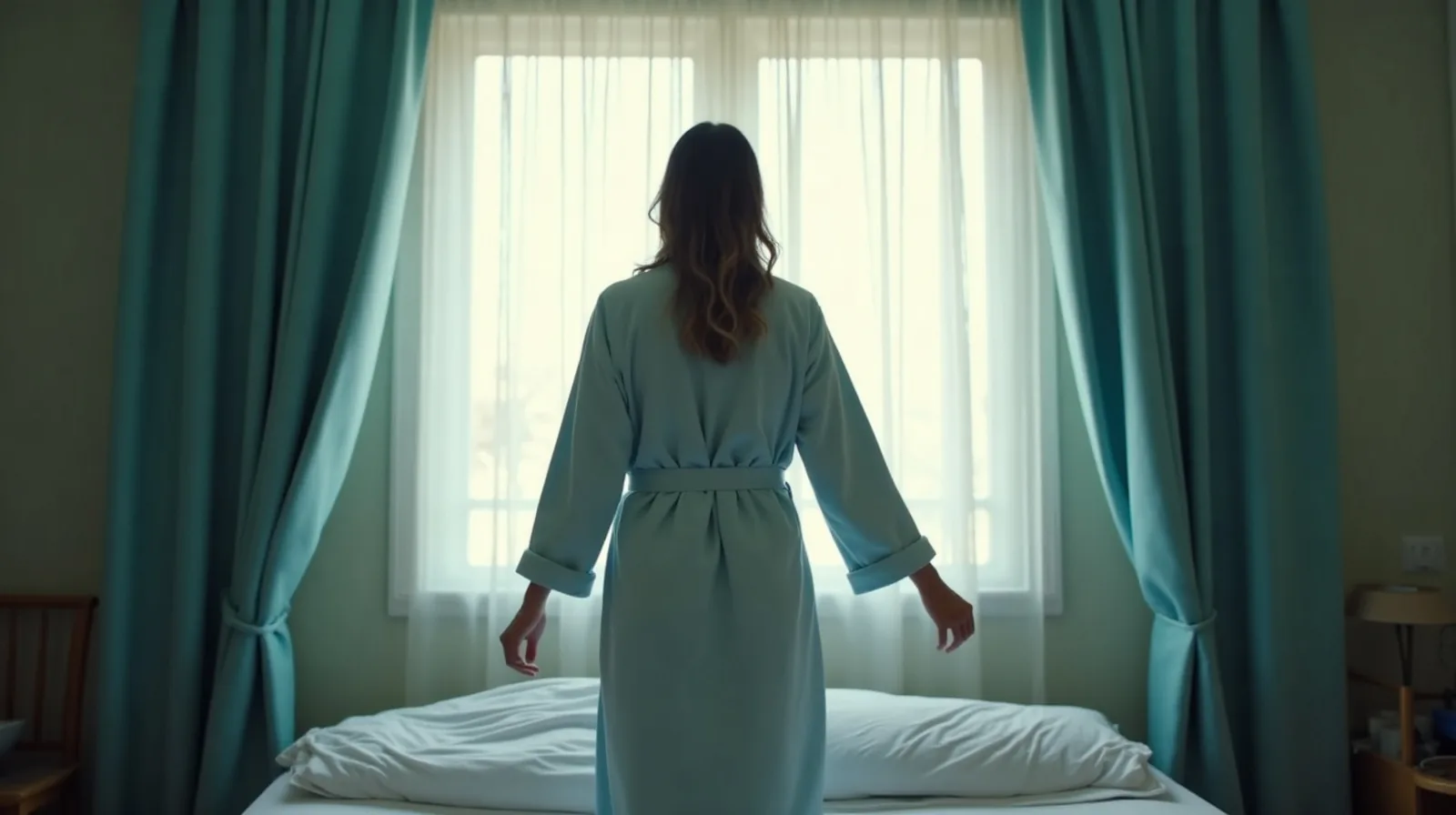
The body keeps time with an internal clock that resets each day, and the strongest reset signal is bright light reaching the eyes, especially in the morning. Well-timed light helps set when sleepiness arrives that night, and it supports daytime alertness along the way. Indoor lighting is far dimmer than it feels. Even an overcast sky outdoors is typically many times brighter than a well-lit office, which is why a short stretch outside can do more for the body clock than hours near a window. That gap widens in autumn, when the sun sits lower and the hours of usable light shrink.
Vitamin D: The Honest Version
The skin makes vitamin D when sunlight hits it, and the vitamin plays a role in bone health and other body processes. At higher latitudes, the autumn and winter sun is often too low to trigger much production, so levels can drift down over the season. Food helps a little, since fatty fish, egg yolks and fortified products contribute modest amounts, but diet rarely closes the whole gap on its own. Where things get murky is the promise attached to it. Vitamin D is not a proven cure for low mood or a shield against every seasonal cold, and more is not automatically better, because very high supplement doses can cause problems of their own. Whether a supplement makes sense depends on age, skin tone, location, diet and health history, so a blood test and a conversation with a doctor or pharmacist beat guessing. Anyone who feels persistently low, sluggish or hopeless through the darker months should mention it to a qualified professional rather than treating it as a vitamin problem.
Small Ways to Bank Light Every Day
The goal is not a heroic sunrise routine. It is a handful of ordinary moments that add up to real time outdoors, ideally earlier in the day when the clock-setting effect is strongest.
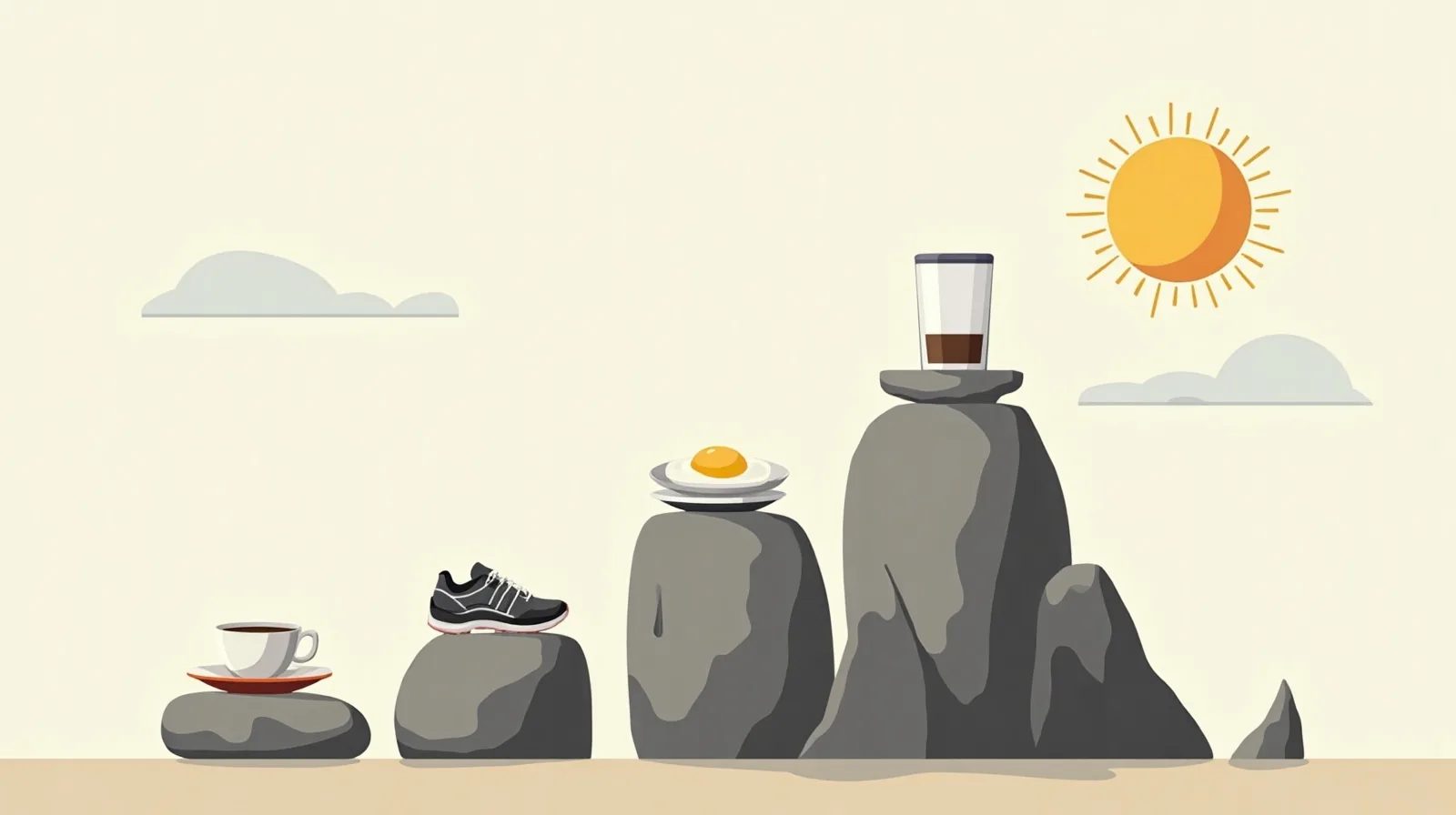
- Take the first coffee outside for five to ten minutes, even on a gray morning.
- Walk part of the commute by getting off one stop early or parking farther away.
- Eat lunch outdoors when the weather allows, or at least take a lap around the block first.
- Sit near a window for desk work, and open the blinds fully at the start of the day.
- Schedule a weekend walk in the brightest part of the day, since daylight is scarcest when the week fills up.
Sunglasses and heavy clouds cut some of the effect, but time outside still beats time inside. Sun safety still applies on bright days, particularly for anyone with fair skin or a history of skin problems.
Keeping the Evenings Gentle
Daylight is only half the pattern. Bright light late at night pushes the body clock in the wrong direction, so once the sun goes down, dimmer lamps and warmer bulbs in the last hour or two before bed help the day wind down naturally. Pairing a bright morning with a dim evening gives the clock a clear contrast to work with, and that contrast is often what steadies sleep as the season turns. Anyone considering a light therapy lamp for seasonal low mood should talk with a doctor first, since the right timing and strength depend on the person and on other health conditions.