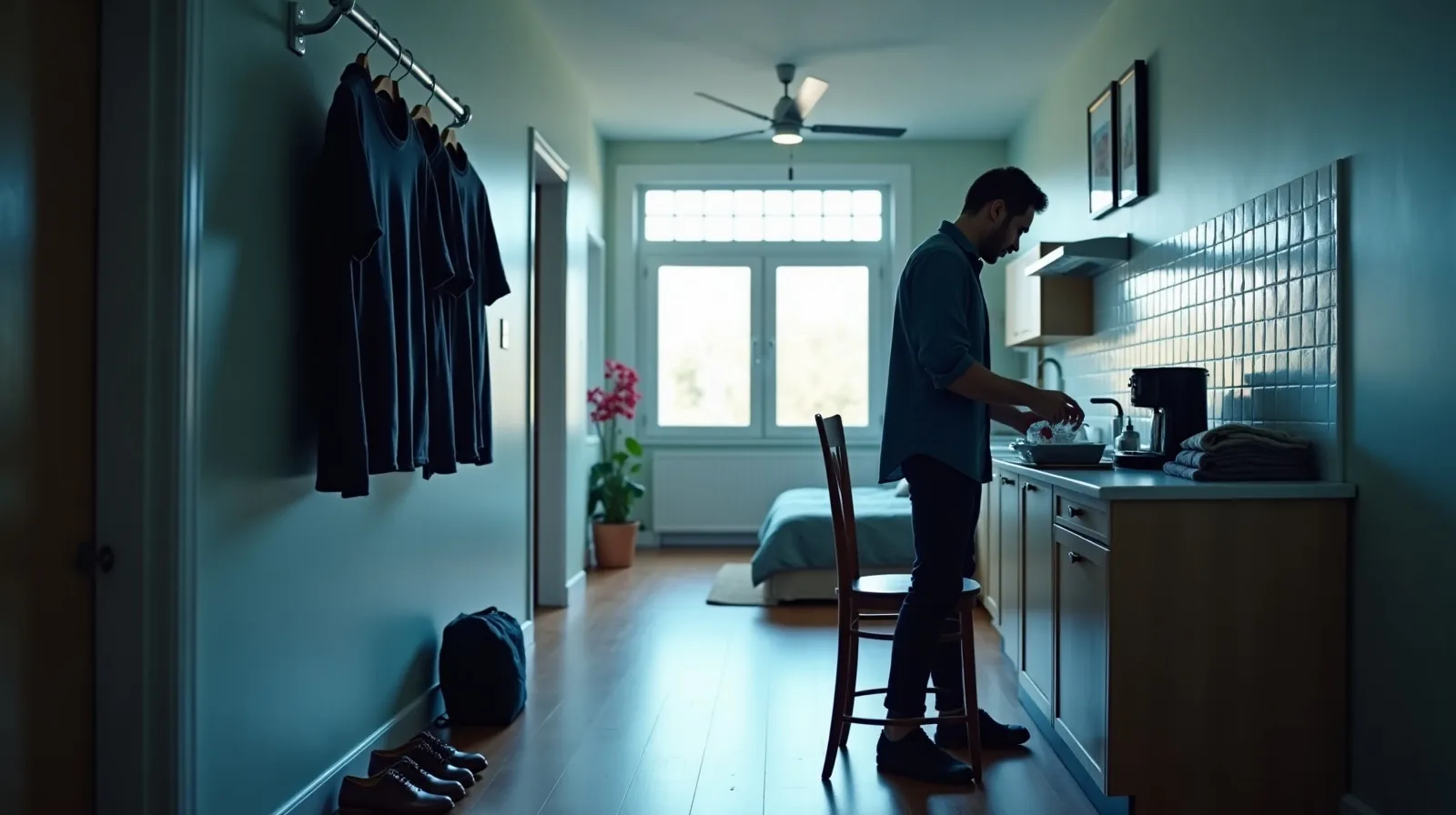
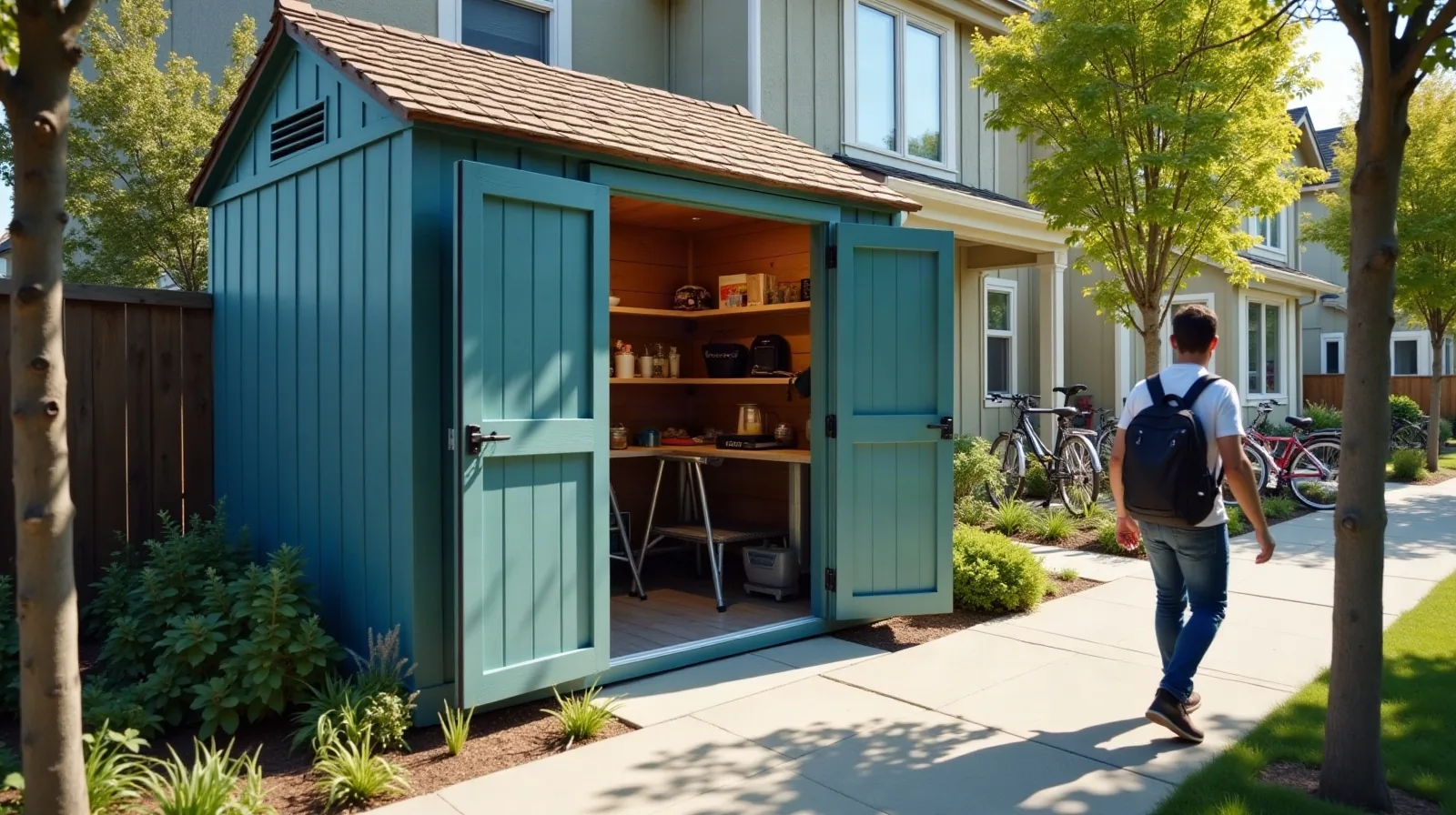
A weekend project, a camping trip, a party for twelve: each one comes with a short list of things that will be used once and then stored for years. The garage fills up, the closet fills up, and the money spent on them feels like a small leak nobody noticed. Borrowing first is a quiet alternative. It costs little, frees up space, and often puts better equipment in your hands than a budget purchase would.
What Is Actually Worth Borrowing
Not everything belongs on the borrow list. Daily-use items, anything that touches the body, and anything that wears out quickly are usually better owned. The sweet spot is the opposite: things needed rarely, used briefly, and bulky to store. Think extension ladders, pressure washers, tile cutters, folding tables, large serving dishes, tents, and specialty baking pans. A useful test is to ask how many times the item will realistically be used in the next five years. If the honest answer is a handful, borrowing wins on cost and on clutter.
Where to Borrow From
Borrowing works best when it is treated as a habit rather than a favor. A few sources are worth knowing before the need arises:
- Libraries of things. Many public libraries and community groups now lend tools, kitchen gear, and outdoor equipment the same way they lend books.
- Neighbors and friends. A quick message in a building or neighborhood group often turns up the exact item within hours.
- Local rental counters. For big one-day jobs, renting a pro-grade tool can beat both buying and borrowing.
- Community swap groups. Free-exchange groups handle one-off needs and keep useful things in circulation.
- Family. Relatives often own the specialty item and are glad to see it used.
Keeping Borrowing Friendly
Good etiquette is what keeps the offers coming. Ask for a specific item and a specific return date, and make that date a little earlier than strictly needed. Return things cleaner and in better shape than they arrived, with any consumables replaced, such as fuel, batteries, or blades. If something breaks, say so immediately and offer to repair or replace it. A small thank-you, like a loaf of bread or a coffee, goes a long way. Lending also works in both directions: offering what is sitting unused in your own garage builds the kind of goodwill that makes the next request easy.
It also helps to keep borrowing safe. Power tools and ladders deserve a quick look at the cord, the guards, and the feet before use, and a skim of the instructions if they are available. For anything electrical or structural that feels beyond a comfortable skill level, a qualified professional is a better call than a borrowed tool.
When Buying Still Makes Sense
Borrowing is not a rule, just a first question. Buying makes sense when the item will be used often, when waiting would cost more than the price, or when the thing is personal, such as a mattress, a helmet, or work boots. Buying also wins when a borrowed version never quite fits the job and the project keeps stalling. If a purchase does come out of the pause, buy the version that will last, and consider reselling or lending it onward when the project ends. Over a year, a simple “borrow first” pause tends to trim a surprising number of single-use purchases and leaves more room, in both the budget and the closet, for the things that really get used.