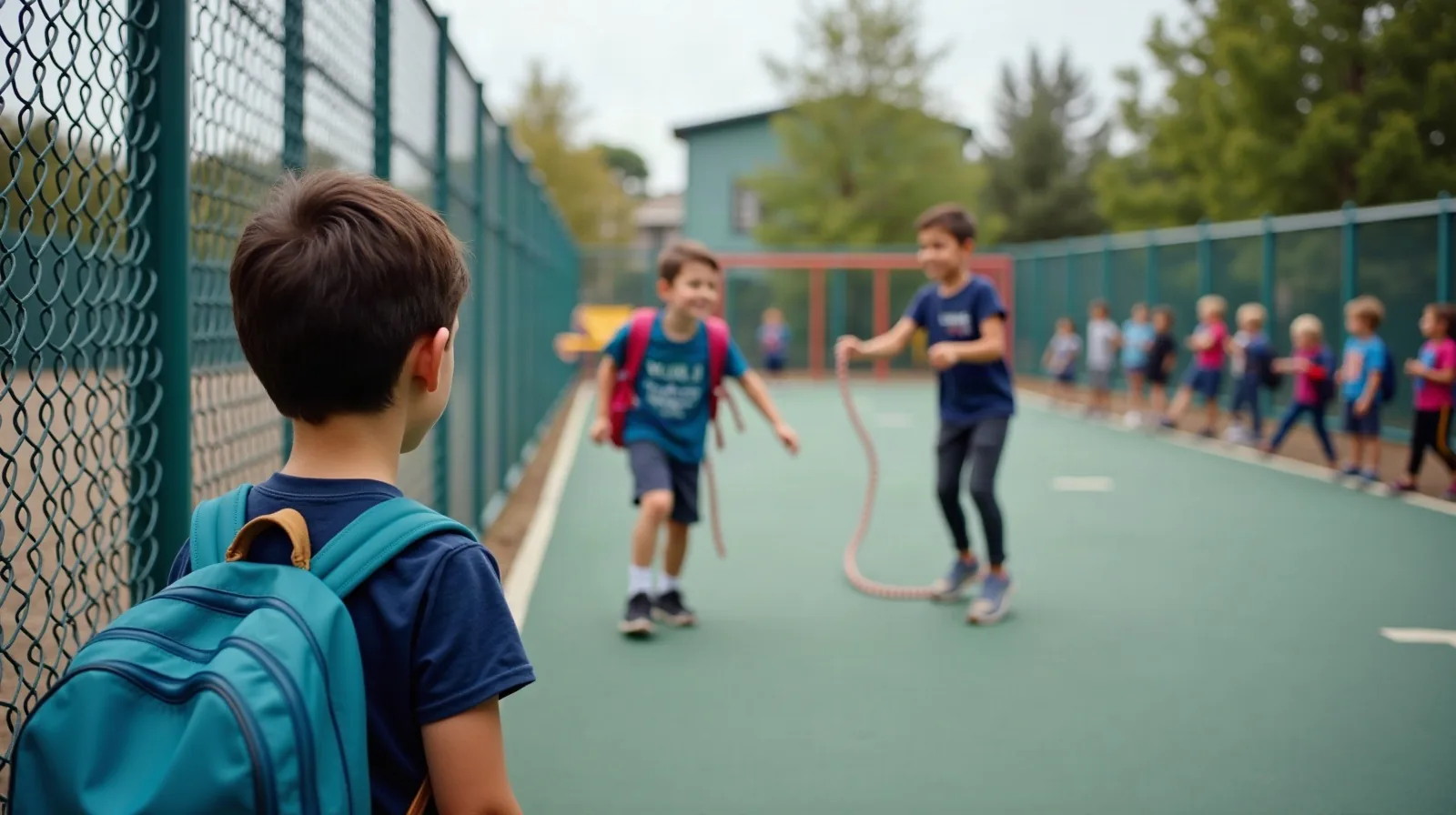
A child comes home upset, saying a classmate is being mean or that nobody wanted to sit with them at lunch, and the instinct is to reach for a label right away. Repeated, targeted cruelty and an ordinary rough patch between kids can look almost identical from a parent’s chair, and they call for very different responses. Sorting out which one is actually happening, before jumping to advice or a call to the school, makes the response fit the situation instead of overshooting or underreacting.
What Actually Counts as Bullying
Most school programs and child-development guidance define bullying by three things happening together, not just one bad moment: it repeats over time, it involves a real power difference, older, bigger, more socially dominant, or several kids against one, and it is aimed at hurting, excluding, or controlling a particular child on purpose. A single sharp comment, a bad day, or a disagreement between two kids on equal footing can sting just as much, but it usually does not meet that three-part bar, and treating it like bullying can send the wrong message about how ordinary friction gets worked out.
Three Questions Worth Asking First
Before deciding how to respond, it helps to gather the specifics instead of reacting to whichever word a child reaches for first, since kids use “mean” and “bully” for a wide range of situations, and the more accurate picture usually surfaces after a few calm follow-up questions.
- Has this happened more than once, or is this the first time it has come up?
- Is there a real power difference, age, size, popularity, or a group against one child, or are these two kids on roughly equal footing?
- Does it look aimed at this child specifically, or does the other child act that way with most peers?
A pattern of yes answers points toward bullying. A pattern of no answers usually points toward something kids can work through with a bit of coaching.
When It Is Ordinary Friction, Not Bullying
Plenty of things that sting are simply part of growing up around other kids: a best-friend pair shifting to include someone new, one child choosing not to play a particular game today, an invitation that did not reach every classmate, or an argument where both sides said something unkind. The feelings are real, but the situation itself is a normal, teachable part of social development. Coaching a child through it, finding another friend to sit with, understanding that not every classmate has to be a close friend, naming the hurt out loud without demanding the other child be punished, builds a skill that carries well past childhood. Rushing to brand a classmate a bully over a single rejection can leave a child feeling more powerless rather than less, and it can unfairly mark a child who was simply having an off day.
When the Signs Point to Real Bullying
When the pattern holds up, repeated, imbalanced, and aimed at one child, this is not a situation to leave to the kids to sort out on their own. Writing down what happened, dates, what was said or done, and who was around to see it, gives the details some structure. Raising it with the school in writing, asking specifically what the anti-bullying policy calls for, and following up if nothing changes, keeps the issue from quietly stalling. At home, listening fully and making clear a child did nothing to deserve it matters more than any single piece of advice, and telling a child to just ignore it or fight back usually makes things worse rather than better.
What Helps No Matter Which One It Is
A few habits help either way: listen to the whole story before offering a fix, resist the urge to intervene in the first five minutes, and check back in a day or two, since kids often reveal the fuller picture in pieces rather than all at once. Whichever label ends up fitting, a child’s hurt is worth taking seriously regardless. The label only decides what happens next, not whether the feeling was real.