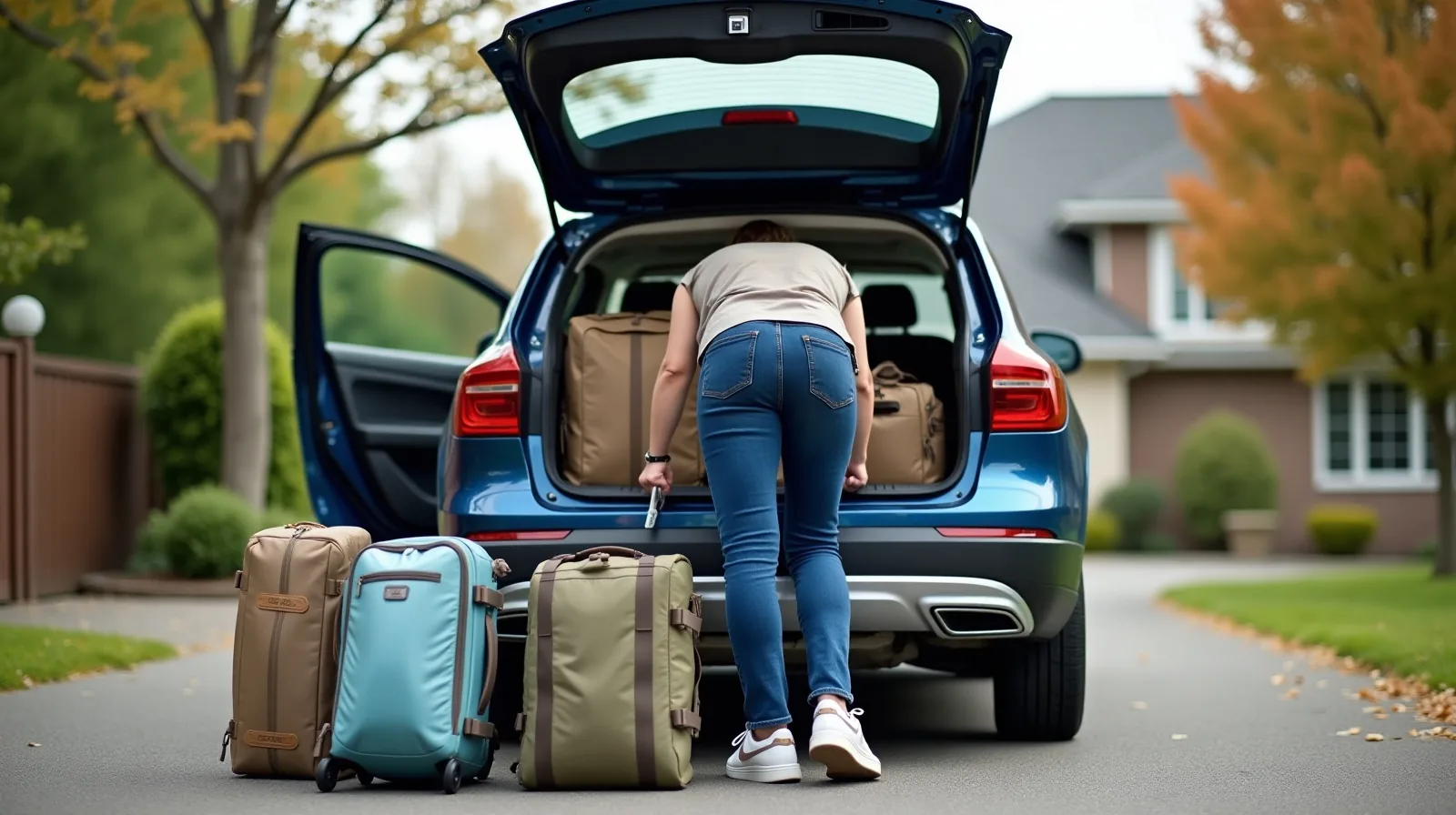
A first camping trip usually fails from packing too much, not too little. The gear that actually matters fits a short list, and most of what turns a night outdoors uncomfortable — a sleeping bag rated for the wrong season, no backup light, a pair of socks that never dried out — comes down to a handful of decisions made before anyone leaves the driveway.
Start With the Big Four
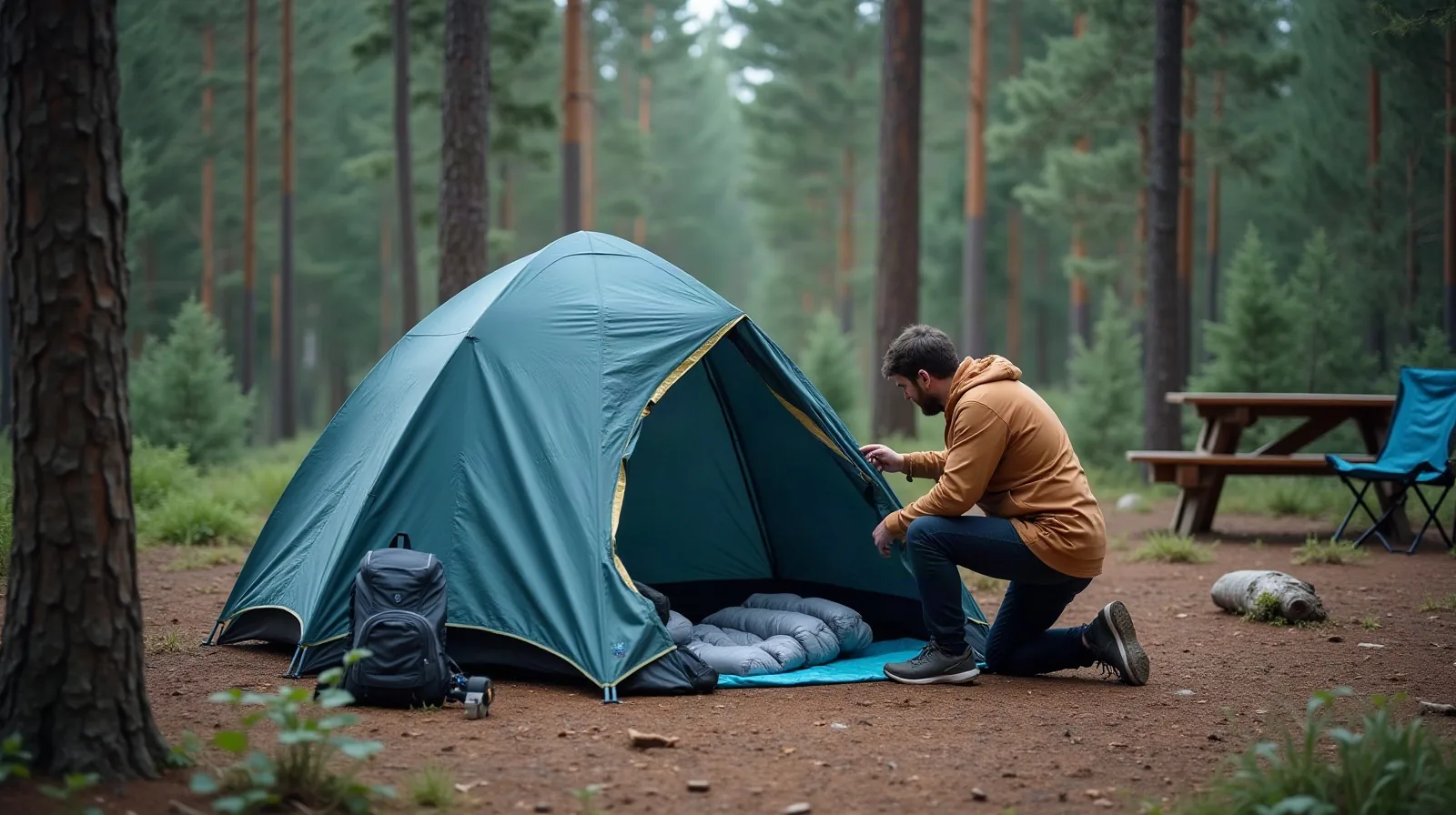
Everything else is optional on a first trip. A tent sized one person larger than the group — a two-person tent for a solo trip, a four-person tent for a couple — buys enough room for gear to come inside during rain without anyone sleeping on top of a backpack. A sleeping bag rated at least ten degrees colder than the coldest night expected accounts for how much warmer a bag feels on the label than it does at 3 a.m., and an insulated sleeping pad matters almost as much as the bag itself, since the ground pulls heat away from a body far faster than open air does. A simple way to cook — a compact camp stove, or a plan to cook entirely over a fire where it’s allowed — and one bag or bin to carry it all round out the list. Borrowing or renting the tent and sleeping bag for a first trip is a reasonable way to test the whole setup before buying anything.
Dress for the Night, Not Just the Forecast
A daytime forecast rarely warns how much a campsite cools once the sun drops, especially away from cities and near water. Three light layers beat one heavy one: a moisture-wicking base layer against the skin, an insulating mid layer such as fleece or a light puffy jacket, and a wind- or water-resistant shell on top. Packing one more warm layer than feels necessary, plus a dry pair of socks set aside only for sleeping, covers the nights that run colder than planned. A hat holds in a surprising share of lost body heat, and it earns a spot in the bag even on a trip planned for warm weather.
Pack the Small Stuff That Saves a Trip
The difference between a smooth trip and a scramble usually comes down to items that weigh almost nothing and take up almost no space:
- A headlamp with fresh batteries, plus one spare set, so both hands stay free after dark.
- A basic first-aid kit stocked for blisters, cuts, and bug bites — small injuries are a little more likely outdoors, with help a little farther away.
- A way to make water safe to drink, such as a filter or purification tablets, even on trips near a tap.
- Fire-starting materials kept in a waterproof bag or container, separate from anything else that might get wet.
- A multi-tool or basic knife, for everything from food prep to a stuck tent zipper.
- Sun protection and bug repellent, packed together so neither one gets left behind in the car.
A couple of large trash bags earn their spot too — for actual trash, for a wet tent packed up in the rain, or as an emergency layer over a pack.
Do a Dry Run Before the First Night Out
New gear deserves one test run at home before it meets a campsite. Setting up an unfamiliar tent in a backyard or living room, in daylight and without pressure, turns a ten-minute job into something that will not eat into dusk on the actual trip. The same goes for a new stove: a first boil-of-water test at home catches a missing part or a stuck igniter with time to fix it. Checking a sleeping bag’s temperature rating against the actual overnight forecast — not the daytime high — is worth doing again the night before leaving, since forecasts shift. None of this takes long, and it turns a first night outdoors into a trip worth repeating.