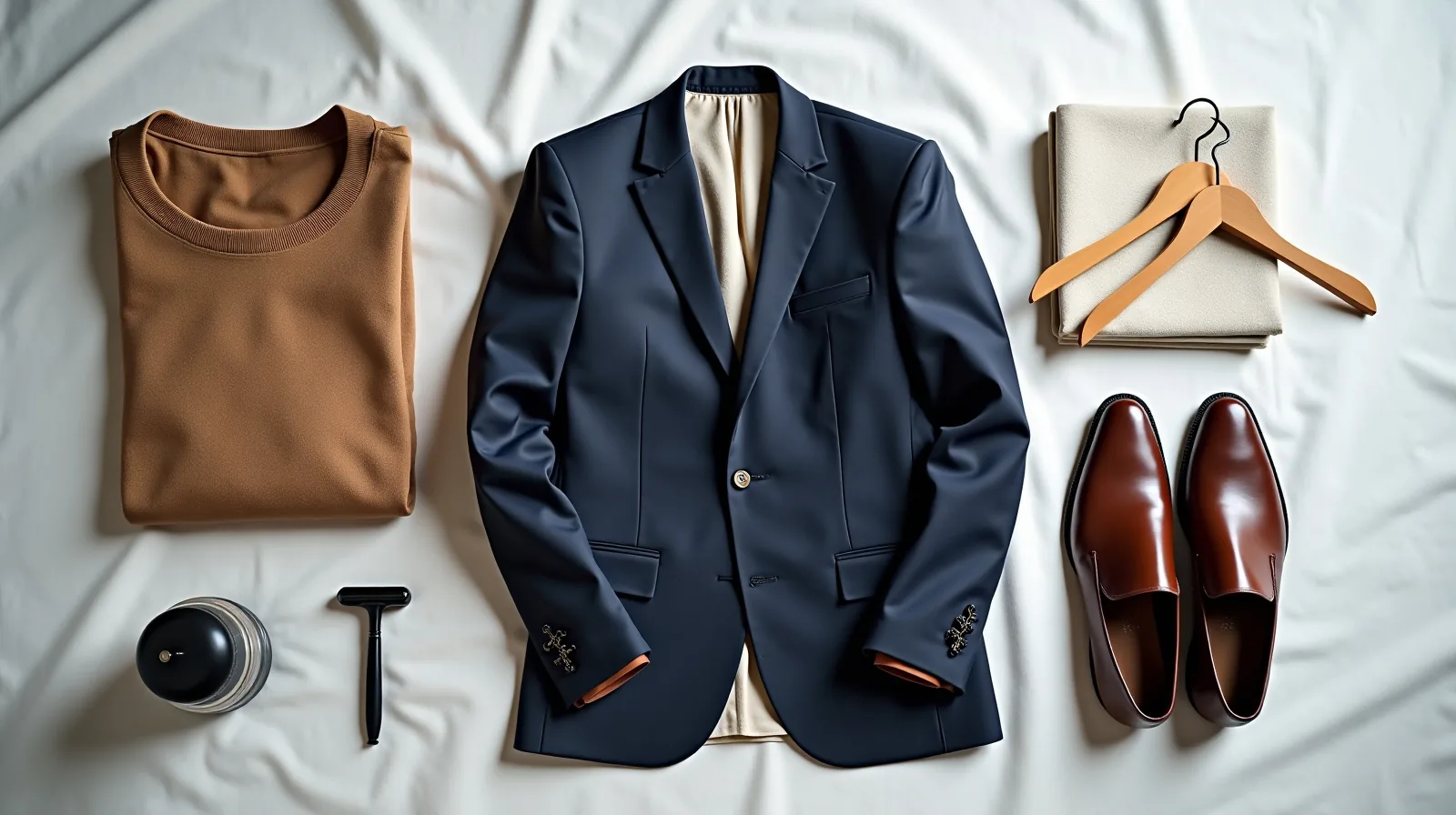

A closet packed with clothes and a closet that actually works are two different things. The usual instinct when getting dressed feels hard is to buy more, but the real problem is often the opposite: too many pieces that only pair with one or two others, so the same handful of outfits gets worn on repeat while everything else hangs there as dead weight. A capsule wardrobe fixes that by trading volume for compatibility — a smaller set of pieces chosen so that nearly anything in it can be worn with nearly anything else.
What a Capsule Wardrobe Actually Fixes
The appeal is not minimalism as an identity. It is arithmetic. A closet of sixty loosely related pieces can produce fewer genuinely wearable outfits than a tightly edited set of thirty, because compatibility, not volume, multiplies combinations. A piece that only matches one other item is effectively a single-use outfit taking up hanger space and mental energy every morning.
That morning cost is real. Standing in front of a closet not knowing what goes with what is a small decision, repeated daily, and small repeated decisions quietly wear people down. A wardrobe where most pieces already work together removes that decision almost entirely, not by dressing the same way every day but by making nearly every combination safe.
Start With an Honest Edit
Begin by pulling everything out of the closet, not just the pieces that seem obviously unworn. Sort into three piles: worn in the last season, not worn but genuinely loved, and neither. That third pile is usually the largest, and it does the least for the wardrobe as a whole.
For anything uncertain, ask two questions rather than trusting a gut feeling: does it pair with at least three other things already owned, and has it been reached for without a special occasion prompting it. A piece that fails both is rarely missed once gone. Photograph the gaps that show up during the edit — a missing neutral bottom, nothing that layers over short sleeves — since that list becomes the shopping guide later, not a vague sense of needing “more options.”
Choose Pieces That Work Together
A capsule wardrobe holds together on a narrow palette: two or three neutrals as the base, plus one or two accent tones that repeat across pieces. Prints and bold colors are not forbidden, just rationed — a loud piece can only pair with a few others, while a plain one pairs with almost everything.
Before adding anything new, run the same test used in the edit: it should reasonably pair with at least three pieces already owned. Favor fit and fabric over trend, since a piece that hangs well and holds its shape gets worn far longer than one bought for a passing style. One consistent silhouette per category also does more for cohesion than any single statement item.
- Piece count. Most people land between twenty-five and forty pieces a season, not counting loungewear, workout gear, or accessories.
- Review cadence. A five-minute check-in each season beats a full audit and keeps clutter from creeping back in.
- One in, one out. A new piece earns its spot by replacing one that no longer works.
- Shop the gap list. Buy toward the specific holes found during the edit, not a vague urge for something new.
- Cost per wear. A pricier piece worn weekly beats a cheap one worn twice, so let expected use guide the budget.
Make It Last Through the Seasons
A capsule needs a seasonal handoff, not a one-time overhaul. When the weather turns, store pieces that no longer fit the season in a labeled bin rather than folding them back into the closet, and bring the gap list along when shopping for the next stretch. A single check-in before each season — try on anything uncertain, note what genuinely got worn — keeps the system honest without turning it into a chore.
Resist restocking just because a rack looks appealing. If the current pieces cover the actual week, that is the system working, not a sign something is missing.