A foam roller is one of the cheapest, least glamorous pieces of exercise equipment around, and one of the most misunderstood. Ten minutes spent grinding a calf muscle back and forth rarely does much beyond leaving skin pink and patience thin. The technique that actually works looks almost boring by comparison — slow, deliberate, and aimed at a handful of muscles that tend to tighten up the most.
What Foam Rolling Actually Does
Foam rolling applies sustained pressure to a muscle and the connective tissue around it, a process researchers call self-myofascial release. The name sounds clinical, but the effect is straightforward: pressing into a tight muscle for a stretch of time tends to calm its protective tension response, part of why a rolled-out muscle can suddenly move through a fuller range of motion. Research on foam rolling is still developing, but the more consistent findings point to short-term gains in flexibility and a modest dip in soreness, rather than any lasting change to the tissue itself. It works better as one piece of a routine than as a stand-alone fix — anyone managing an injury, a chronic condition, or ongoing pain is better served treating a roller as a complement to a doctor or physical therapist, not a substitute for one.
The Body Areas Worth Rolling First
A full-body pass is not required for a roller to earn its place in a routine. Most people notice the biggest return from a short list of muscles that tighten from sitting, standing, or training:
- Calves — especially useful before or after walking, running, or standing for long stretches.
- Outer thighs — rolled along the muscle beside the IT band rather than directly on the band itself, which does not compress much.
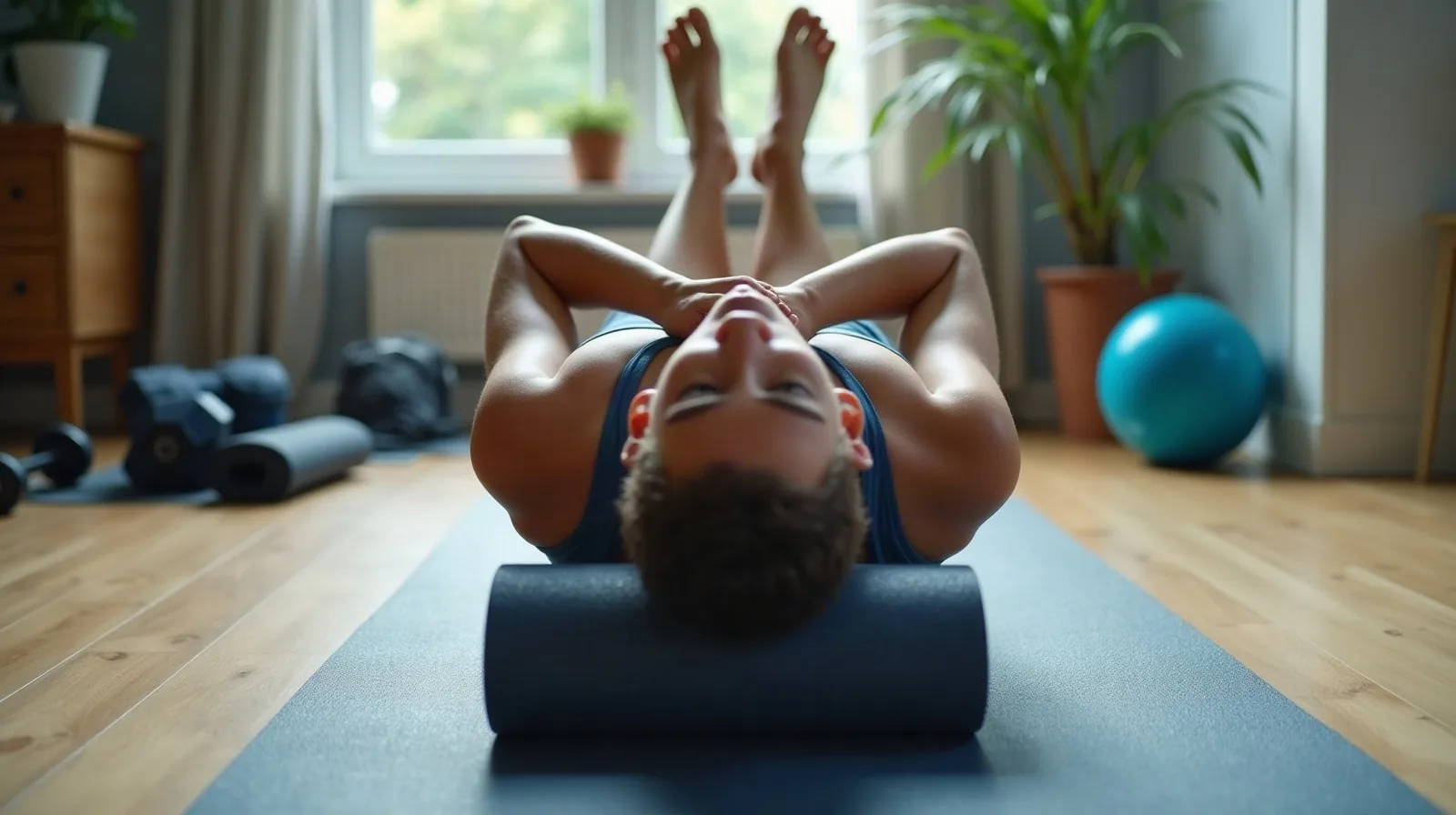
- Upper back — eases the rounded-shoulder tightness that builds up from a desk or a phone.
- Glutes — a common trouble spot for anyone who sits for most of the day.
Working through even two or three of these before a workout can help tight muscles move more freely, and doing the same afterward gives sore spots a few extra minutes of attention while the rest of a cool-down happens.
How to Roll Without Overdoing It
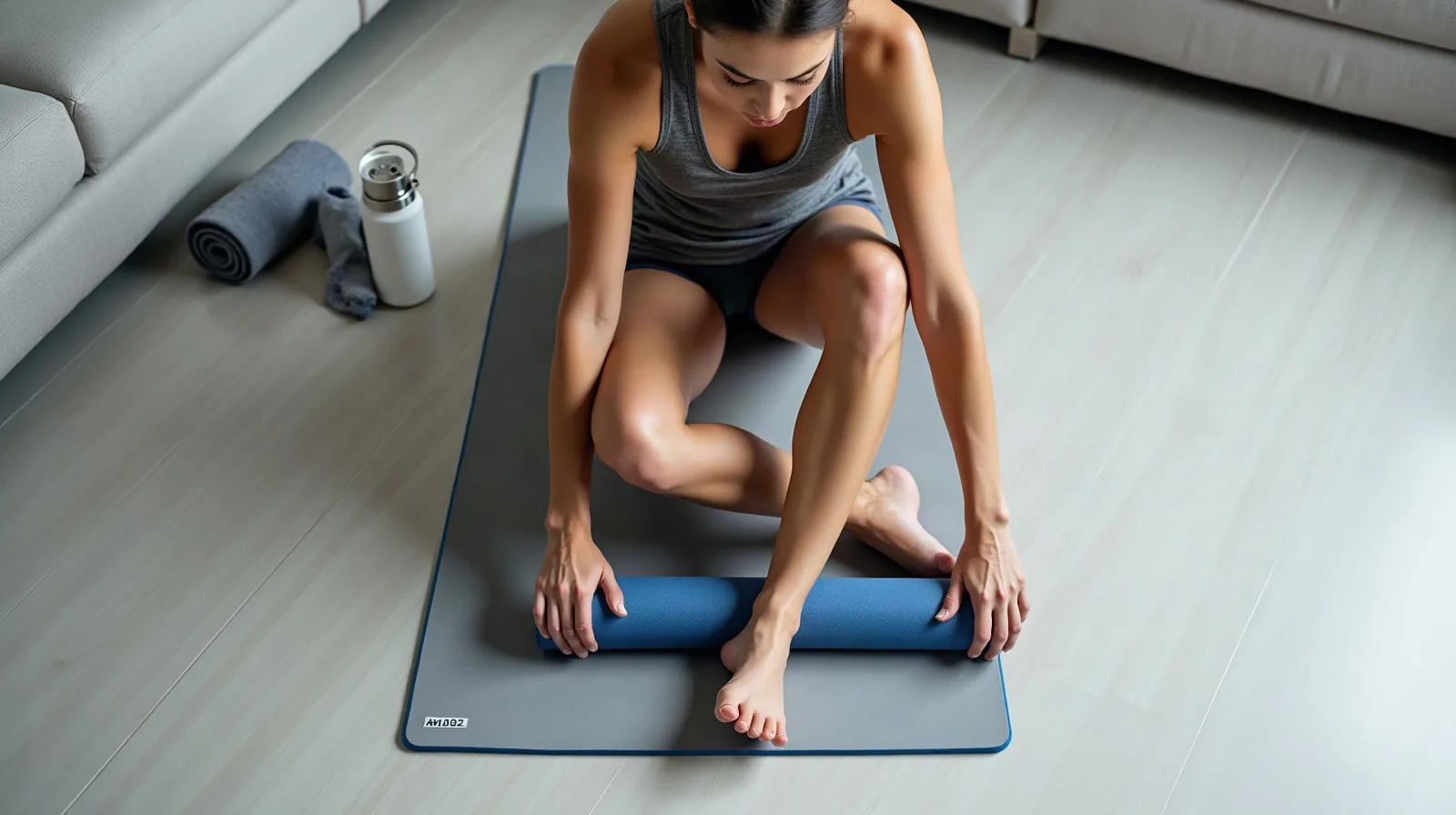
Speed is the most common mistake. Fast back-and-forth passes feel productive but rarely give a muscle enough time to respond. A better pace covers roughly an inch per second, pausing for twenty to thirty seconds on any spot that feels notably tender before easing off and moving to the next section. Pressure should sit somewhere between uncomfortable and merely firm, never sharp or shooting, which usually means backing off or skipping that spot. A few areas are best avoided outright: joints, the lower back directly, and any bone close to the surface, since a roller works on muscle tissue and offers nothing useful pressed against a joint or a nerve. Steady breathing through the pressure also helps a muscle release instead of bracing against it.
Building It Into Your Routine
Foam rolling pairs naturally with a workout that already exists rather than requiring its own separate session. A few passes over the areas that feel tightest make a reasonable addition before dynamic stretching, and the same targeted rolling fits neatly into a cool-down once the main workout is done. Five to ten minutes covers a meaningful pass on two or three muscle groups without turning into a chore, and doing it most days beats one long weekend session — tight tissue tends to respond to frequency more than duration. A roller is a useful add-on to a stretching and strength routine, not a replacement for either one, and it will not resolve pain that keeps returning; recurring discomfort is better handled by a doctor or a physical therapist than by rolling harder.