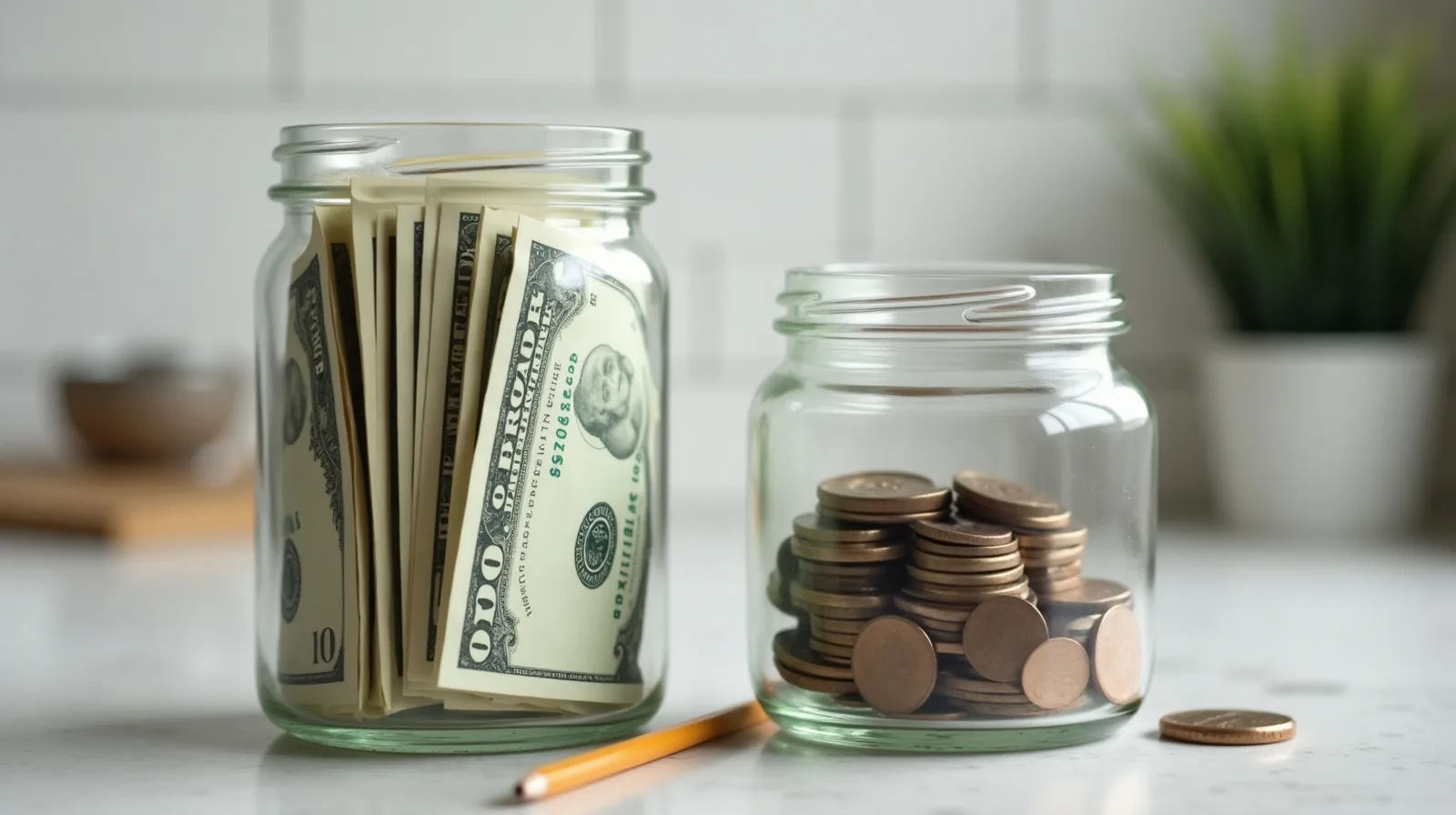
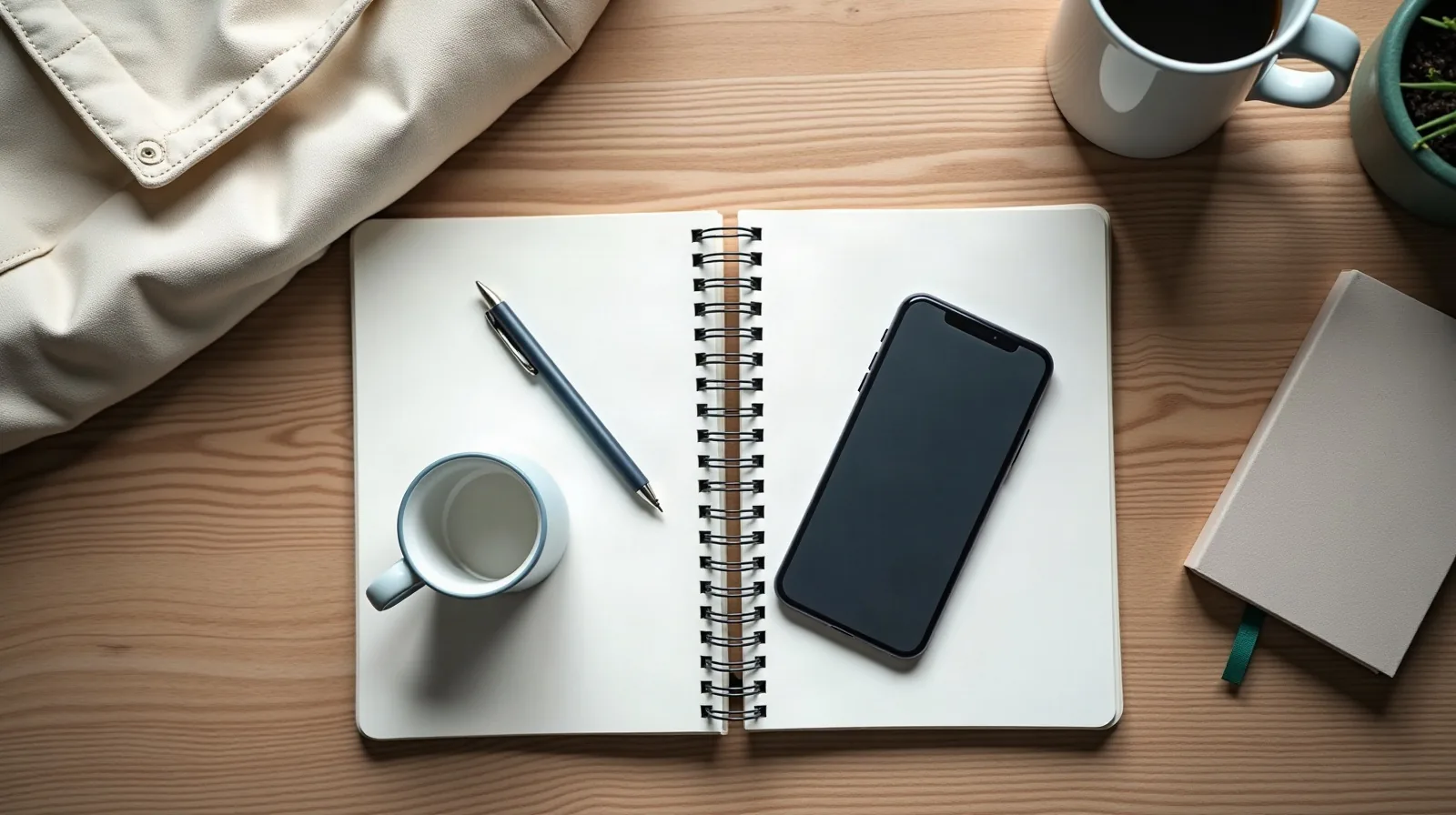
A video can make something feel essential in under a minute — the right gadget, the right container, the exact fix for a problem barely noticed a moment earlier. That feeling rarely comes from the item itself. It comes from urgency: the sense that everyone already has this, that the window to act is closing, and that stopping to think it over feels like missing out. A quieter habit works just as well against that pull — put a short pause between seeing something online and paying for it, and let the actual want outlast the moment that created it.
Why the Pull Feels So Strong
Short videos are built to move fast, and that speed does most of the persuading. There is rarely time to ask a real question before the next clip loads, and the comments underneath tend to perform enthusiasm rather than doubt — a wall of agreement that makes hesitation feel like the unusual response. Scarcity language speeds things up further: limited stock, a countdown, a version that will not come back. None of that reflects how useful the item will actually be once it arrives. The satisfying part of the sequence — the small hit of feeling resourceful and in-the-know — happens the moment the order goes through, long before the product proves itself in daily use. That gap between buying and using is where most of the regret quietly collects.
Build In a Real Pause
The fix is not willpower or a strict no-spend rule — it is a short, boring delay placed between the impulse and the purchase, so the decision gets made by a calmer version of the same person:
- Write it down instead of buying it. A running list — paper or digital — turns “buy now” into “note it and move on,” which removes the purchase from the exact moment it feels most urgent.
- Set a real waiting period. A day or two works for smaller purchases; a week suits anything that costs more than a casual dinner out. The number matters less than actually holding to it.
- Put the list somewhere it will resurface. A notebook left in a drawer never gets reopened. One kept by a coffee maker, a nightstand, or a daily planner gets seen again without any extra effort.
- Note why it felt necessary. One line — what the video promised, what problem it claimed to solve — makes the entry easy to judge honestly once the excitement has faded.
- Revisit it on the date, not before. Checking early defeats the purpose; the whole method depends on giving the initial spike of interest time to pass on its own.
The Questions Worth Asking When the Wait Is Up
When the waiting period ends, three plain questions do more work than any amount of self-discipline. Would this still feel worth buying at full price, seen on a plain store shelf with no video attached? Is there already something at home that handles most of the same job, even imperfectly? And is there an actual answer for where it would live once it arrives — a spot on a shelf, a hook, a drawer with room? An item that survives all three has earned its place in the cart. One that stumbles on any of them was mostly the trend talking, and letting it go rarely feels like a loss once a few days have passed.
Make the Habit Stick
A pause only works if it survives contact with a feed that never stops supplying new urgency. Trimming the accounts that lean hardest on hauls, restocks, and “get it before it is gone” language removes a steady source of the pull before it starts. The wishlist notebook works best kept visible rather than filed away, and it is worth treating a crossed-off “no” with the same small satisfaction as a purchase — money that stayed in an account is a real result, not a missed one. Over a few months, the list becomes its own evidence: a short page of things that felt urgent for exactly one afternoon, and a much shorter page of the few actually worth the wait.