
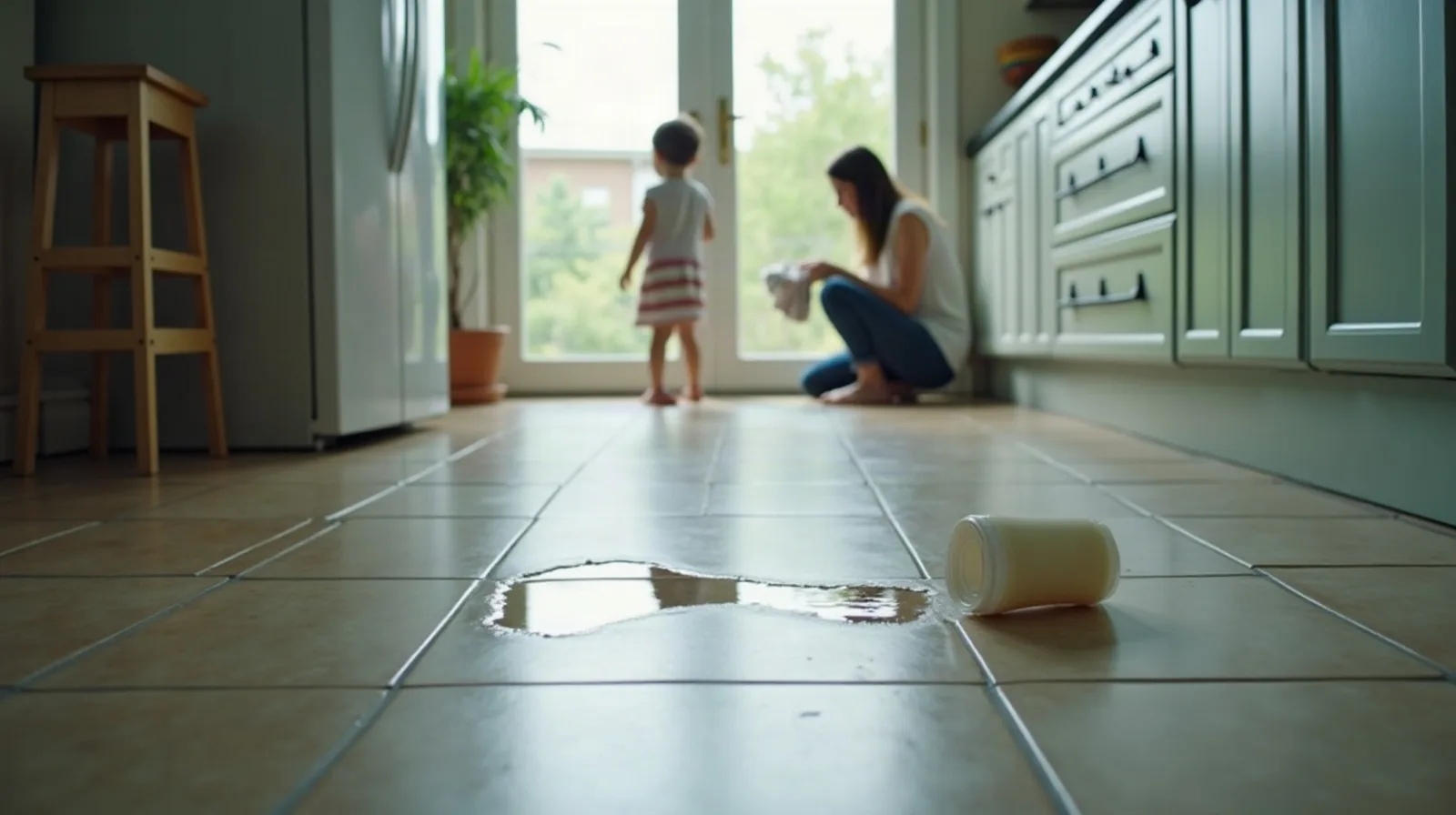
A child stands beside a puddle of spilled milk and announces that the dog did it. Most parents have lived some version of that moment, and the first reaction is often alarm: is something wrong with honesty in this house? Usually not. Fibbing is a common part of how young children learn about the difference between what happened, what they wish had happened, and what gets them in trouble.
Why Young Kids Stretch the Truth
Around ages three to five, children are discovering that other people cannot see inside their heads. That discovery is exciting, and early lies are often experiments in it. Child-development guidance generally describes several everyday motives: fantasy and pretend play that spills into real life, wishful thinking, wanting to avoid a consequence, and wanting to please a parent who seems disappointed. School-age kids add a few more, such as protecting a friendship or covering embarrassment.
Seeing the motive matters because it points to the fix. A child who invents a story about a pet dragon needs a nudge toward the line between pretend and real. A child who denies breaking a vase needs to learn that the truth is survivable.
Skip the Trap Question
Asking “Did you do this?” when the answer is obvious sets a child up to fail. It invites a lie and then adds a second problem on top of the first. A calmer approach removes the pressure to deny.
- State what you see. “The milk is on the floor. Let’s clean it up together” skips the interrogation entirely.
- Separate the lie from the act. Respond to the spill and the story as two different things, and keep the tone steady for both.
- Thank the truth when it arrives. “Thank you for telling the truth, even though it was hard” teaches more than a lecture.
- Name pretend as pretend. “That is a fun story. Is it a pretend one or a real one?” keeps imagination welcome.
- Keep consequences small and fair. A mess to help clean is a better teacher than a long punishment.
Make Telling the Truth Safe
Children lie most when honesty feels expensive. If every confession ends in shouting, the lesson learned is to hide better, not to be more honest. When a child owns up, respond to the truth first and the mistake second. The consequence can still happen, but it should be noticeably smaller than it would have been after a cover-up, so the child can feel the difference.
Modelling counts as well. Kids notice the small social fibs adults tell, such as saying a headache is the reason for skipping a party. Where it is practical, tell the plain truth in front of them and explain kindly why honesty matters to the family.
When to Look Closer
Occasional fibbing is expected through the school years, and most kids grow out of it as their understanding of trust matures. It is worth a conversation with a pediatrician or a child therapist if lying is constant, comes with other worries such as aggression, anxiety, or withdrawal, or continues to escalate despite calm, consistent responses. A qualified professional can look at the whole picture and suggest next steps that fit your child.